Why Meta Keeps Rejecting Your Ads (And How to Stop the Cycle) 2026
One rejected ad is annoying. A pattern of rejections is a different animal. String too many together and something clicks over in the background: your ad account gets flagged. Once that happens, new ads get harder to approve, your costs creep up, and you sit there watching competitors run freely while you can’t. The way out isn’t appealing louder. It’s understanding how Meta’s review actually works, and never tripping the flag in the first place.
This one is about the recurring problem. Why the rejections keep coming, and how to break the loop. If you just need to rescue a single ad right now, start with ad rejected or not approved.
What’s really happening when Meta reviews your ad
Think of it as two layers.
First, an AI bot looks at every ad and decides: approve or reject. Usually within a few hours. Longer if your copy runs long or sits near the line. Then, once your account starts to scale, roughly after the first $20,000 to $30,000 in spend, or two to three weeks in, a manual review can kick in. A human checks that the account is in good standing. In our experience, something non-compliant surfaces for a large share of advertisers in those first months. That’s usually when the rejections start piling up.
The real danger is the snowball, not the reject
Here’s the part most people miss.
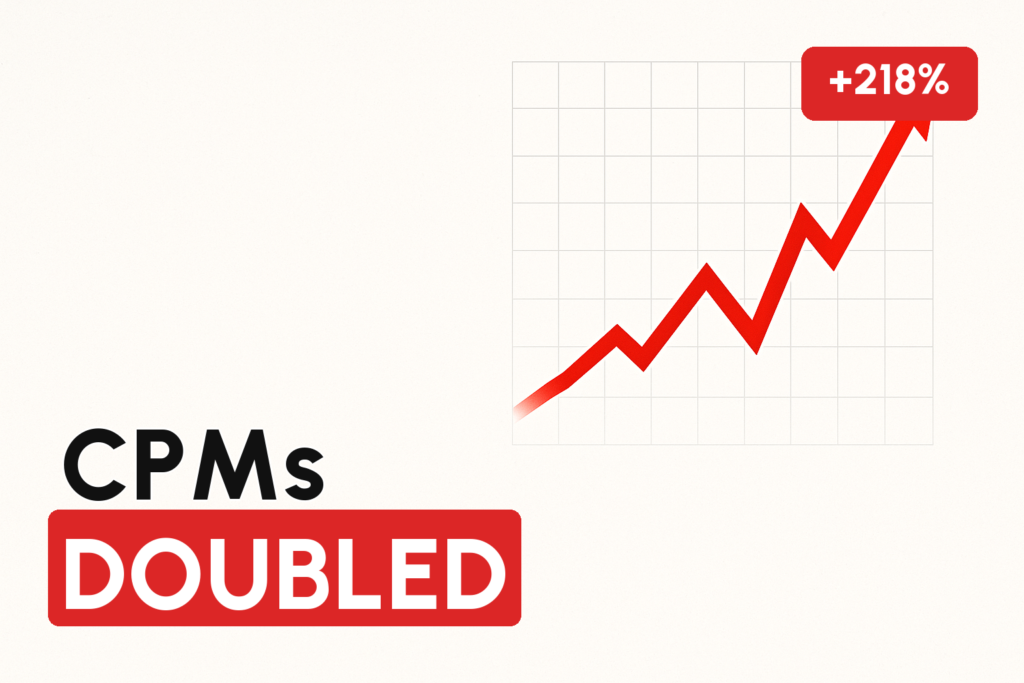
A single rejection is nothing. But several rejections in a row flag your account. And a flagged account gets more ads rejected, watches its costs climb, and struggles to push anything new through. That’s the “why can my competitor advertise and I can’t?” moment. The rejections were never the real problem. The flag they set off is.
Why your ads keep getting rejected
- It’s the landing page, not the ad. This is the big hidden one. Your ad claim is fair, but your landing page makes promises it can’t back up. Meta reads the whole funnel. The ad gets rejected for what sits on the page behind it. Fix the page and the “mysterious” rejections tend to stop.
- The AI moves every week. Meta’s review model shifts constantly. An ad that sailed through last month can get rejected now, and the reverse happens too. What worked before is not a promise it works today.
- Restricted categories forced through. Some categories are limited, tobacco and the like. Compliant adjacent angles can exist. Stop-smoking coaching, say, as long as the creative never shows the product. But shoving a genuinely non-compliant ad through is exactly what stacks the rejections and gets you flagged.
How to break the loop
The single most important habit: launch in small batches, never more than about 10 ads in a row, even identical ones. A big batch that trips the filter creates a sudden wave of rejections, and that wave is what flags the account and drives your costs up. Match every ad’s promise to the landing page behind it. And appeal selectively. A failed appeal can invite more rejections, so only contest ads you’re certain are compliant. Everything else, fix and move on. If an ad is genuinely borderline, edit it rather than re-uploading the same thing.
Rejections are an account-health signal
A stack of rejections and a flag don’t stay boxed inside one ad. They feed your account’s risk profile and standing, the same back-end signals that decide your CPMs and your ban risk. Persistent rejection trouble is often a symptom that your compliance and account health need attention, not just a creative tweak.
Get your account approving again
A rejection-and-flag spiral usually rides on a wider account-health problem. The same customer-experience signal behind your feedback score is part of how trusted, and how cheaply approved, your account is. Clearing the flags and lifting that score is what gets you back to smooth approvals and lower CPMs.
Why your Facebook ads get rejected for no reason
“Rejected for no reason” almost always has a reason you cannot see. Meta reads your ad, your landing page and your account history together, so when your Facebook ads keep getting rejected the trigger is often off the ad itself: a claim on the page, a prior rejection sitting on the account, or a policy the automated review reads more strictly than you do. Resubmitting the same ad and hoping for a kinder reviewer is the one move that reliably backfires.
The compliant path is simple and it works: find the actual trigger, fix it so the ad and the page genuinely comply, and only then appeal through Meta’s own review. A failed appeal can add another mark to the account, so appeal clean or not at all. When your ads get rejected for no reason again and again, you are almost always looking at a snowball on the account, not bad luck on a single ad.
FAQ
Why do my Facebook ads keep getting rejected for no reason?
Usually it’s not the ad itself. The most common hidden cause is a mismatch between your ad claim and your landing page. Meta reviews the whole funnel, so unrealistic claims on the page get the ad rejected. Meta’s AI review model also changes weekly, so an ad approved before can be rejected now. And a few rejections in a row can flag your account, which triggers even more rejections.
How many ad rejections in a row is dangerous?
There’s no published number, but the pattern matters more than any single reject. To be safe, launch in small batches, never more than about 10 ads in a row, even identical ones. A big batch that trips the filter creates a sudden rejection wave, and that wave is what flags your account, raises your costs and makes new ads harder to approve.
Should I appeal every rejected ad?
No. A failed appeal can invite more rejections, so appeal only ads you’re 100% sure are compliant. For anything borderline, fix the root cause, edit the creative or the landing page, rather than re-uploading the same ad or spamming appeals, which adds noise and risk.
Do ad rejections hurt my account beyond the ad?
Yes. Repeated rejections and the flag they cause feed your account’s risk profile and standing, the back-end signals that influence your CPMs and ban risk. Persistent rejection problems are usually a sign your overall compliance and account health need fixing, not just one creative.
Written by Mouss, founder of Unlimited Scaling, an agency that has helped 1,000+ e-commerce brands scale and protect their Meta ad assets. Based in Bali, 8+ years inside Meta’s ad ecosystem. Follow him on Instagram @mouss_unlimitedscaling.