HIVA Tiers Explained: Meta’s Hidden ‘High Value Advertiser’ Ladder
HIVA, short for “High Value Advertiser,” is the insider name for Meta’s internal delivery-quality rating. It’s an invisible tier your ad assets sit in, and it quietly shapes how cheaply and how well your ads run. Sit high and the auction leans your way. Sit low and you overpay for less. Meta never publishes it. But in our experience it behaves like a ladder, and where you land on it decides a lot more of your CPM than you’d think.
It’s the least understood signal in the whole stack, and that’s exactly because you can’t see it.
Once you know it’s there, though, a lot of “why is this account so much cheaper than that one?” suddenly clicks into place.
So what actually is HIVA?
HIVA is an internal quality and trust rating Meta assigns to advertising assets. Think of it as a delivery-quality tier. It reflects how valuable and trustworthy the platform considers you as an advertiser, and it feeds straight into how your ads compete in the auction. It lives in the same hidden evaluation layer as your feedback score and your Business Manager standing. None of it shows up in Ads Manager. All of it moves your results.
In our experience the ranks run in medal order. Bronze, then Silver, then Gold, then Platinum, lowest standing to highest. Meta doesn’t publish an official tier chart, so treat the exact labels as insider shorthand rather than gospel. But the ladder itself is very real, and climbing it, Bronze toward Platinum, is what buys you cheaper, steadier delivery.
How the tiers actually work
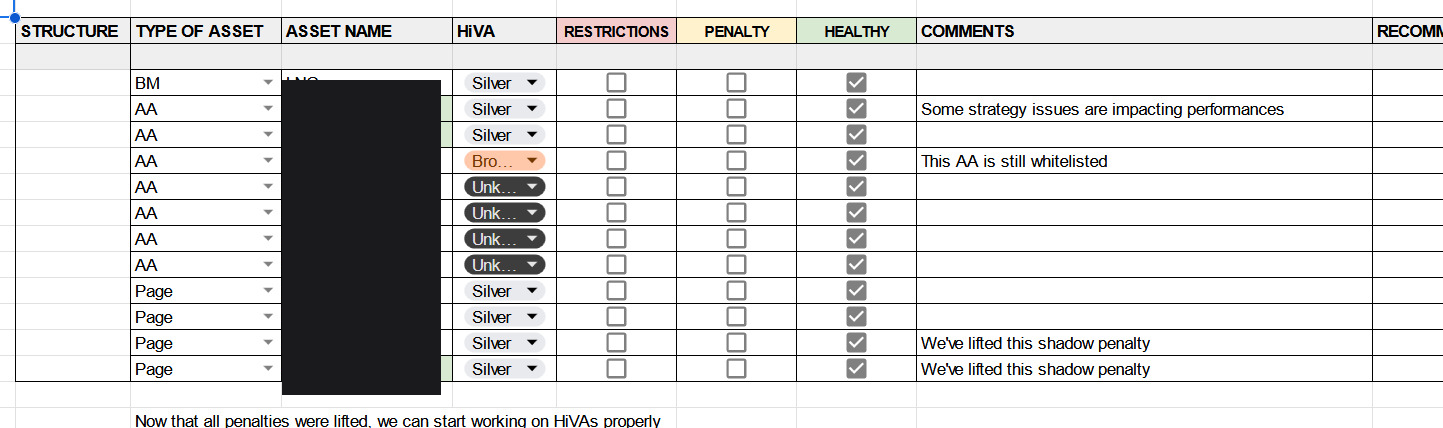
The higher your tier, the more the algorithm treats you like a preferred advertiser. Lower effective CPM at the same bid. Smoother, more stable delivery. More room to scale before performance strains.
Drop a tier and the whole thing flips. You pay more for less reach, and delivery gets choppy. In our experience it’s one of the cleanest explanations for why two accounts running near-identical campaigns end up with wildly different costs. They’re just sitting on different rungs.
What moves you up or down the ladder
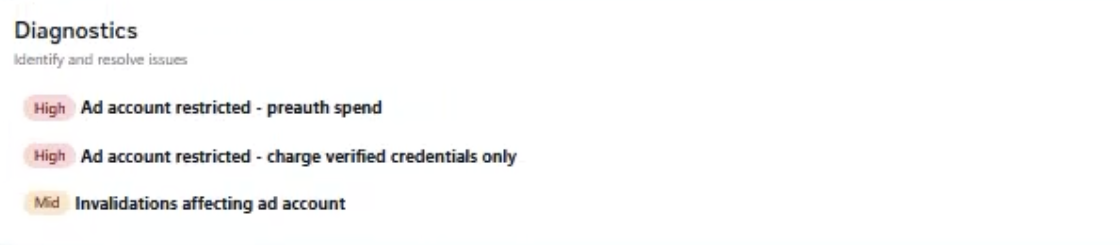
HIVA isn’t random. It’s fed by the signals you already control:
- Customer experience and feedback. A strong feedback score lifts you. A weak one drags you down.
- Compliance history. Rejections, violations and restrictions pull your tier lower.
- Account and BM trust. Verification, payment reliability, and a clean track record raise it.
- Consistency. Steady, stable spending reads far better than erratic bursts and abandoned accounts.
Why you can’t see your HIVA, and how to read it anyway
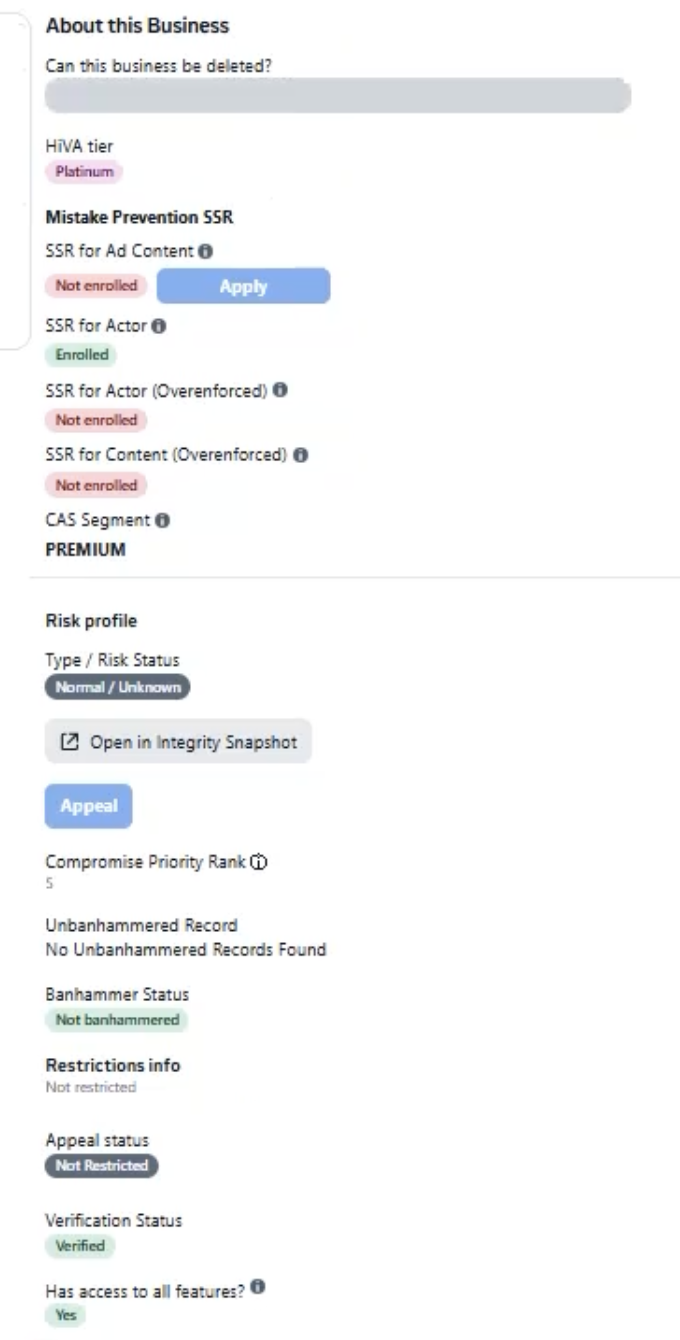
HiVA is just one field on a much bigger hidden card. For everything Meta tracks alongside it, the CAS segment, risk profile, banhammer status and live diagnostics, see what Meta actually sees on your ad account.
There’s no HIVA dashboard. Like the other internal signals, you read it by its effects. If your CPM is structurally low, delivery is stable, and you scale without hitting walls, you’re probably sitting high. If everything costs more than it should and delivery is fragile despite solid campaigns, you’re probably sitting low. The account behaves like its tier, even while the number stays hidden.
Why agency accounts start higher on the ladder
Here’s the shortcut nobody spells out. An agency ad account runs under a Business Manager that already carries high trust, and in our experience that tends to place it on a higher rung from day one. Instead of slowly climbing on your own account, risking every slip that knocks you back down, you start near the top. It’s a big part of why the same campaign so often runs cheaper and steadier on an agency account than on a fresh self-serve one.
Climb the ladder the right way
Reading where your assets actually sit, then structuring them to climb and stay high, is exactly what our team does. Unlimited Scaling has helped 1,000+ e-commerce brands lift their standing across Meta’s hidden signals and run on high-trust assets. No secret switches. Just the disciplined work that moves you up the ladder and keeps you there.
How to boost your HiVA score (and how long it takes)
Raising your HiVA score isn’t an instant fix. It’s the reverse of whatever pulled it down. In our experience it takes about 2 to 3 weeks for Meta to clear the flags off a cleaned-up setup and re-score it, and you’ll usually watch performance improve day by day across that window rather than overnight.
The move is simple to say and harder to do. Become a genuinely better advertiser and remove the penalties. Concretely:
- Find and stop the trigger. A low HiVA is almost always caused by specific flags. A low feedback score, a high ad-rejection rate, payment issues, users reporting your ads, no engagement, or no replies to comments and DMs (Meta reads silence as an untrustworthy page). Work out which ones apply, then fix the behaviour instead of repeating it.
- Clean the red flags on your structure. An infected profile, a penalised asset, or a compliance marker sitting on your Business Manager keeps the whole setup capped. Unlink or clean those so the account can be re-scored in good standing.
- Fix, don’t restart (usually). If your account still performs and it’s only a recent flag holding it back, keep it and clean it. You hold onto the spend history and the trust. Only consider a fresh setup if it’s genuinely unperformant.
Why it’s worth it: a higher tier doesn’t just lower your CPMs, it raises your spending limits. In one account we managed, moving from Silver to Gold tripled the spending limit, which is exactly the headroom you need to scale. Because HiVA is invisible, most advertisers never realise a fixable penalty is why their CPMs are high and their scaling is stuck.
How the HiVA ladder moves in practice
Think of HiVA as a trust ladder Meta never shows you, running from a fragile bottom rung up to a protected top one. Where you sit decides how your account behaves under pressure: higher up, delivery stays stable, reviews clear faster, and you ride out a bad week that would sink a lower-tier account. Lower down, every restriction hits harder and recovery is slower.
From what we see across accounts, you climb by doing the unglamorous things consistently: clean payment history, low rejection rate, a healthy feedback score, steady spend without erratic spikes, and assets with real history rather than fresh ones. You slide down through rejection snowballs, complaints, and restrictions stacking on the same setup. None of this is published by Meta, it is the pattern we observe, but the direction is consistent enough to manage toward.
FAQ
What is HIVA on Facebook / Meta?
HIVA stands for High Value Advertiser, an insider name for Meta’s internal delivery-quality tier for your ad assets. A higher tier means the auction treats you more favourably (lower effective CPM, steadier delivery); a lower one means you overpay for less. It’s not shown anywhere, but it clearly affects results.
Can I check my HIVA score or tier?
No. Meta doesn’t publish a HIVA dashboard or an official tier chart, so the specific names (Bronze, Silver, Gold, Platinum) are insider shorthand rather than official. You infer your tier from behaviour: structurally low CPM and stable delivery suggest a high tier; everything costing more than it should suggests a low one.
How do I improve my HIVA tier?
Feed the signals it’s built from: keep your feedback score and customer experience strong, stay compliant, maintain account and Business Manager trust with clean verification and payments, and spend consistently. Or run under an already-high-trust Business Manager via an agency account, which tends to start higher on the ladder.
Written by Mouss, founder of Unlimited Scaling, an agency that has helped 1,000+ e-commerce brands recover and protect their Meta ad assets. Based in Bali, he has spent 8+ years inside the mechanics of Meta’s ad ecosystem, feedback scores, HIVA tiers, agency accounts, bans and appeals, and shares field data from real client cases. Follow him on Instagram @mouss_unlimitedscaling.